ICFTBA 2025
The 4th International Conference on Financial Technology and Business Analysis (ICFTBA 2025) was a hybrid conference which includes several symposiums (offline and online) around the world. ICFTBA 2025 hosted multiple on-site symposium series, such as Danubius University (Galati, Romania), Comenius University in Bratislava (Bratislava, Slovakia), and King's College London (London, UK). ICFTBA 2025 provided the participants with good opportunities to exchange ideas and build networks, and it will lead to further collaborations between both universities and other societies.
Symposium
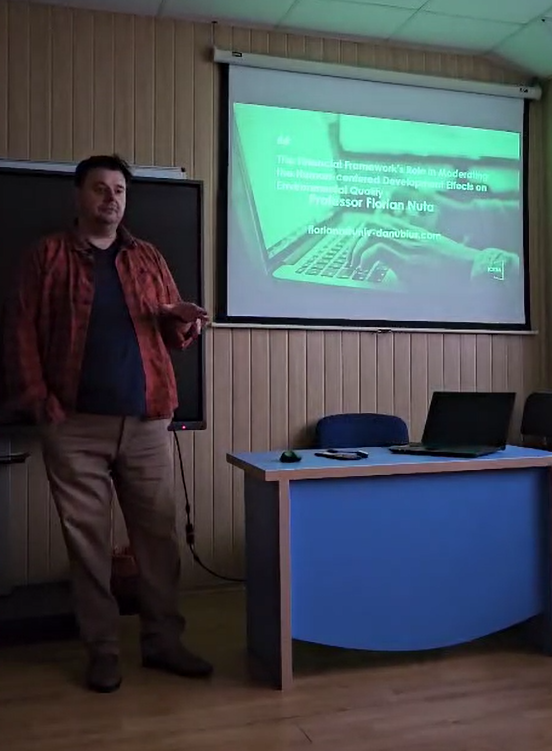
Danubius University
Symposium Chair: Dr. Habil. Florian Marcel Nuţă, Professor in Danubius University from Galaţi
The main topic of the symposium was the role of the financial system in moderating the effects of human development on environmental quality, with emphasis on financial development and inclusion. We established that even if human development by its nature may increase the environmental footprint, a well-established financial system which is inclusive can moderate the environmental effects. Later on, the discussions included a practical analysis of the Romanian financial system in the European context. The participants recognized the role of inclusivity and debated on different factors influencing the financial inclusion, such as education (with emphasis on financial literacy), urban vs. rural asymmetries, and level of income. The symposium opened possibilities to future debates on how human development, while desirable, can also create negative externalities and the role of various stakeholders in addressing these externalities.
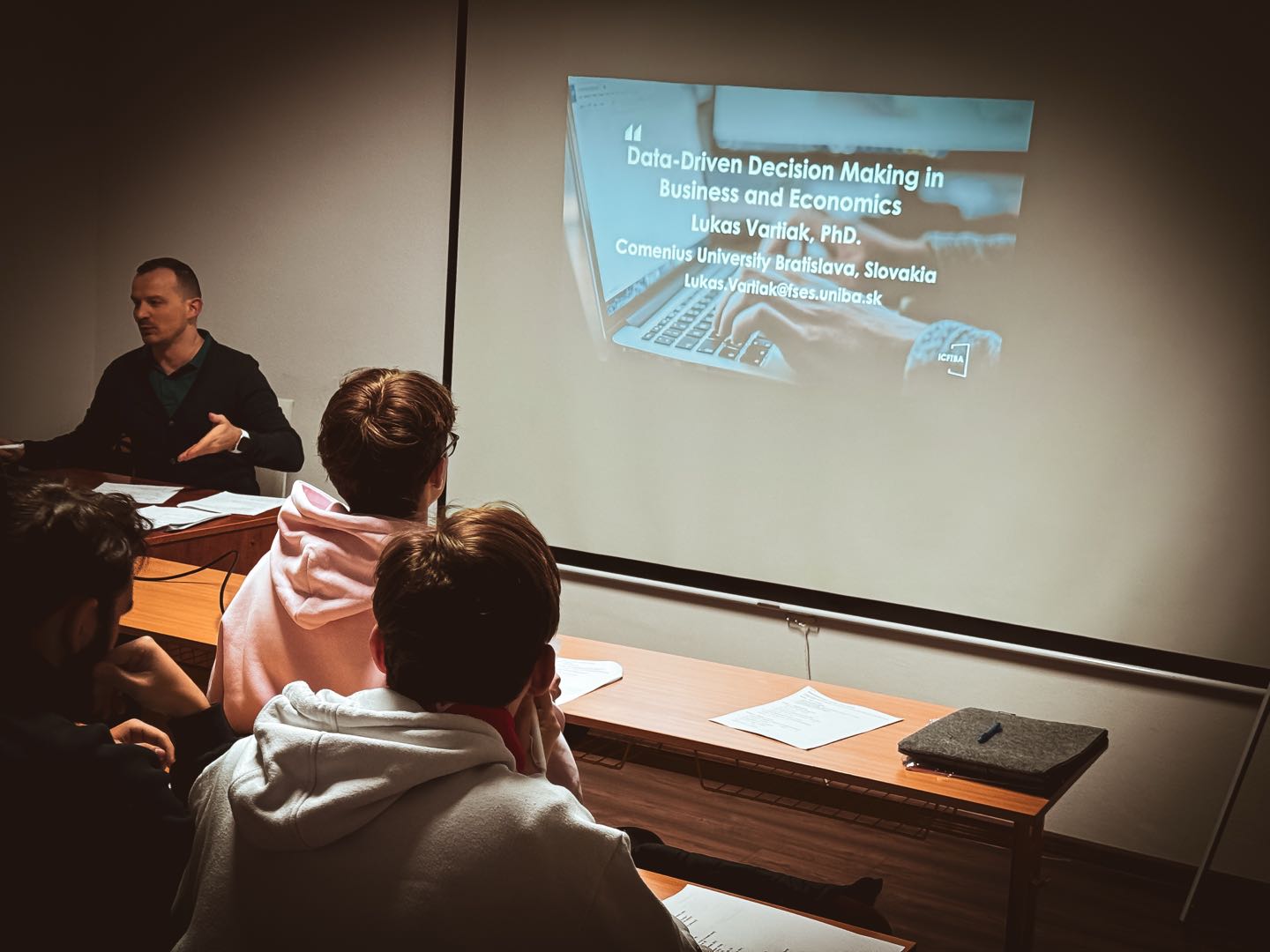
Comenius University in Bratislava, Faculty of Social and Economic Sciences
Symposium Chair: Dr. Lukas Vartiak, Associate Professor in Comenius University in Bratislava
The symposium Data-Driven Decision Making in Business and Economics brought together participants interested in strengthening their analytical competencies for modern business environments. Held at Comenius University Bratislava on December 12, 2025, the event provided a hands-on introduction to using data as a strategic resource in economic and managerial decision-making. Through a balanced mix of expert lectures, guided exercises, and real-world case studies, attendees explored how data can support problem-solving in areas such as market analysis, operational efficiency, financial forecasting, and public policy evaluation. Led by symposium chair Dr Lukas Vartiak, the program emphasised the growing importance of data literacy in a rapidly evolving digital landscape, where organisations rely heavily on analytics to gain competitive advantages and understand complex trends. Participants learned foundational analytical techniques, practised interpreting datasets, and discussed examples illustrating the impact of data-informed decisions across sectors. Designed for individuals from diverse academic and professional backgrounds, the symposium focused on practical, accessible methods rather than advanced technical modelling. By the end of the session, attendees had gained greater confidence in working with data, transforming information into insights, and applying evidence-based reasoning in their own business and economic contexts.

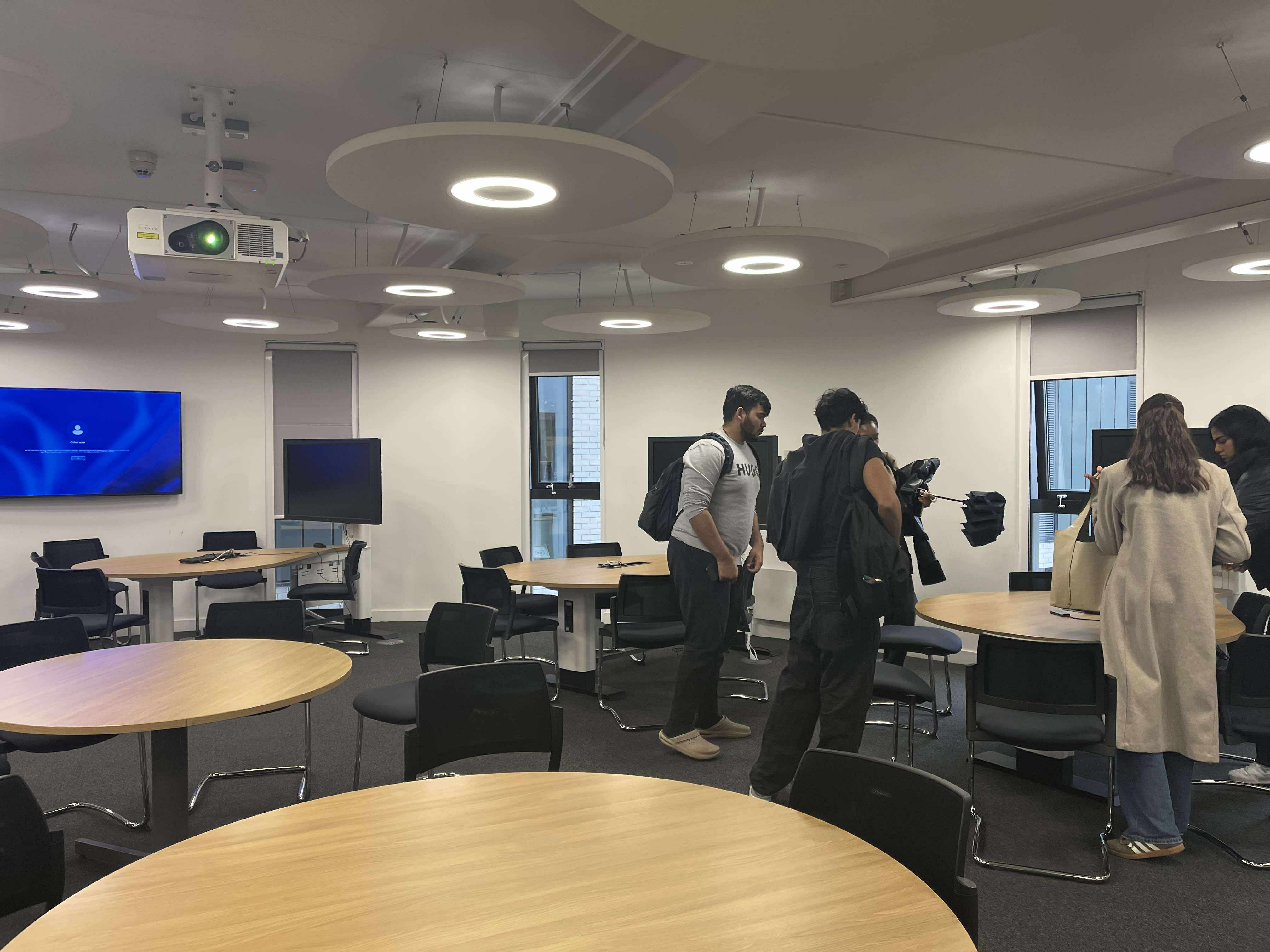
King’s Business School, King’s College London
Symposium Chair: Dr. An Nguyen, Lecturer in King’s College London
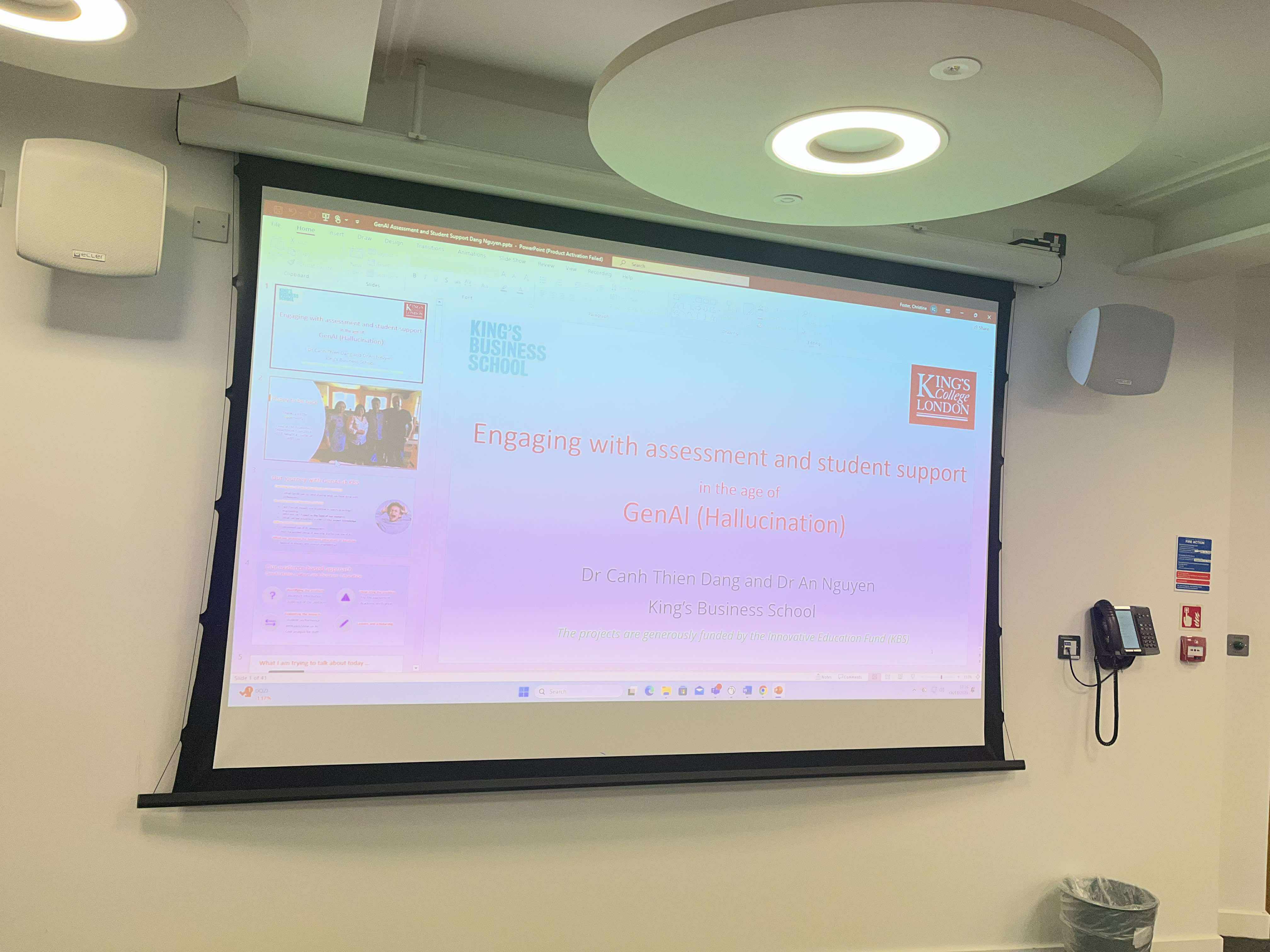
The recent symposium hosted by King’s Business School was a resounding success, bringing together 22 enthusiastic participants for an engaging and thought-provoking session. The event aimed to explore the intersection of artificial intelligence (AI), inquiry-based learning, and the evolving conceptual framework of AI graduate attributes, topics that are increasingly shaping the future of higher education and workforce readiness.
The symposium featured two distinguished speakers from King’s Business School, each offering unique insights grounded in both theory and practice. Their presentations showcased compelling case studies and real-world examples that illustrated how AI can be integrated into teaching and learning environments to foster critical thinking, creativity, and adaptability among students. These examples highlighted practical applications of AI tools in curriculum design, assessment strategies, and personalized learning pathways, demonstrating the transformative potential of technology in education.
A central theme of the discussions was the role of inquiry-based learning in preparing graduates for an AI-driven world. The speakers emphasized that while technical proficiency is important, the ability to ask meaningful questions, analyze complex problems, and synthesize diverse perspectives remains paramount. By embedding inquiry-based approaches into academic programs, institutions can cultivate graduates who are not only technologically literate but also capable of ethical reasoning and innovative problem-solving. The conceptual framework of AI graduate attributes presented during the symposium sparked considerable interest among attendees. This framework outlines the key competencies students need to thrive in a rapidly changing digital landscape, including data literacy, algorithmic thinking, and an understanding of the societal implications of AI. Participants engaged in lively discussions about how these attributes can be operationalized within existing curricula and what support faculty might require to implement these changes effectively.
Audience engagement was a highlight of the event. Attendees actively contributed to the dialogue, sharing their own experiences and raising critical questions about the challenges and opportunities associated with AI in education. These conversations led to several promising ideas for future collaboration, such as joint research projects, cross-institutional teaching initiatives, and the development of shared resources to support faculty in adopting AI-enhanced pedagogies.
The symposium concluded on an optimistic note, with participants expressing a strong commitment to continuing the conversation and exploring practical steps to integrate AI and inquiry-based learning into their respective contexts. The event not only deepened understanding of these important themes but also reinforced the value of collaborative learning and knowledge exchange in addressing the complex demands of contemporary education.
In summary, the symposium served as a catalyst for innovation and partnership, underscoring King’s Business School’s dedication to advancing educational practices that prepare students for success in an AI-driven future. The insights and connections forged during this session will undoubtedly inform ongoing efforts to shape curricula that are both forward-looking and responsive to the needs of learners and society.
Online Session
Besides the symposiums on more specific themes, ICFTBA 2025 also held an online session on the topic of financial technologies, business, economics, and management for more convenient participation of scholars worldwide. This online session invited professors from top universities and authors of qualified papers to present their works. Keynote speeches and oral presentations were delivered through videos, which can be watched on ICFTBA 2025 official YouTube channel.
Highlights
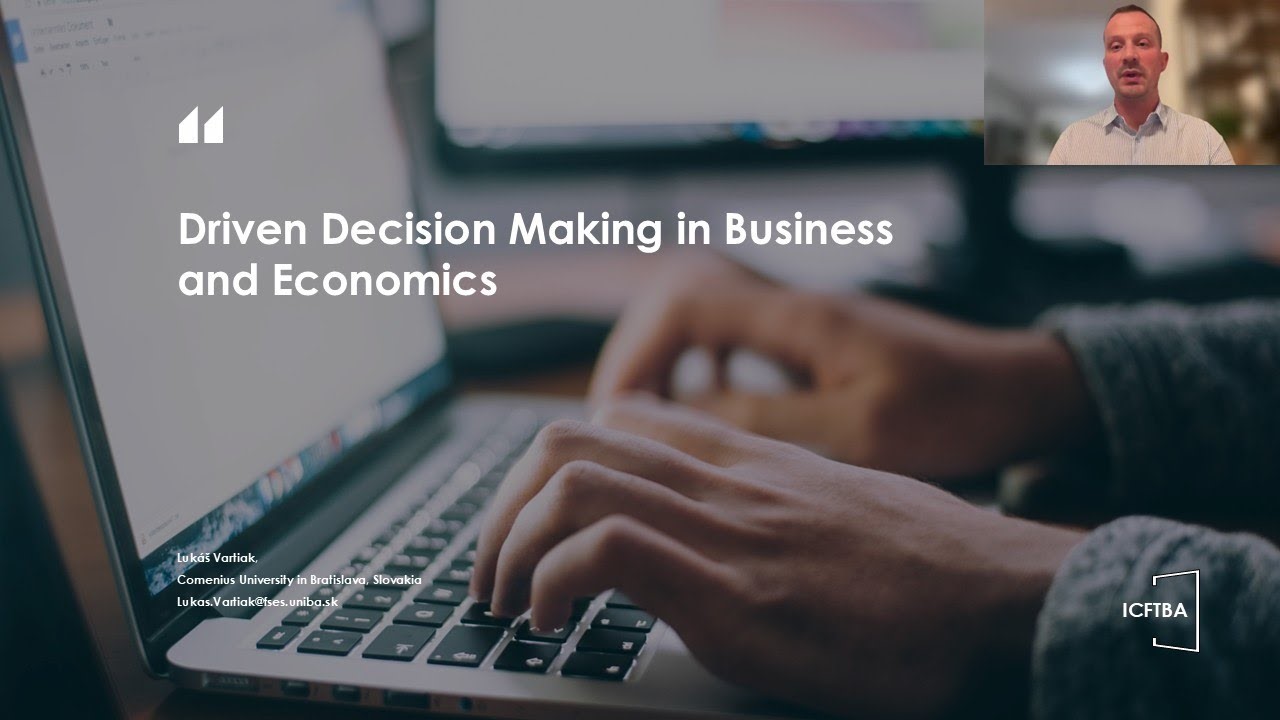
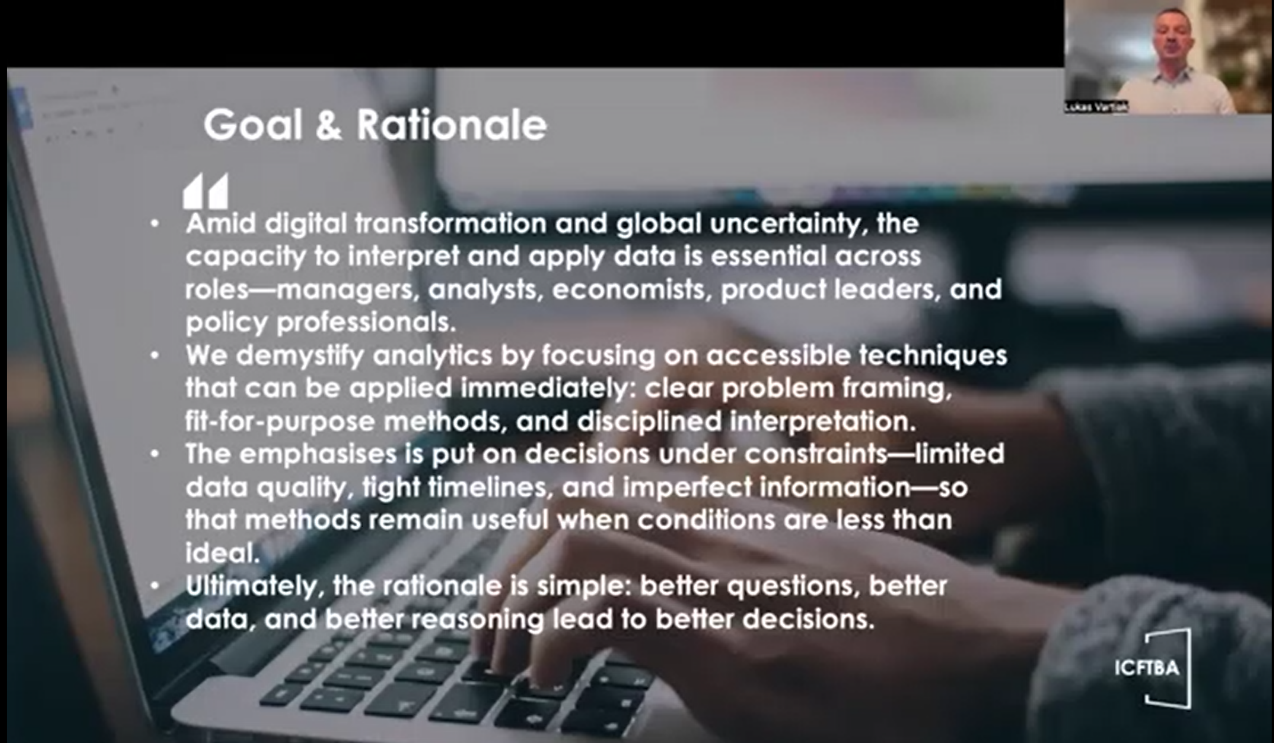
Title: Data-Driven Decision Making in Business and Economics
Presented by: Lukáš Vartiak, Ph.D. Associate Professor, Faculty of Social and Economic Sciences, Comenius University in Bratislava
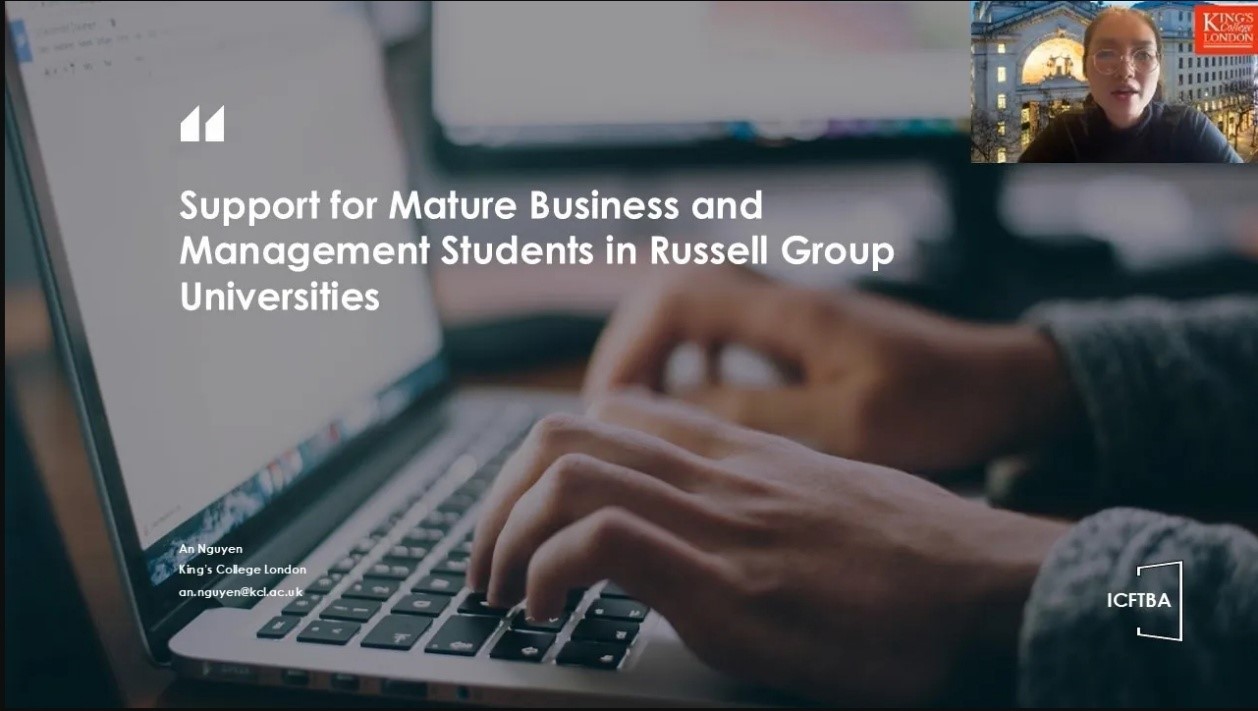
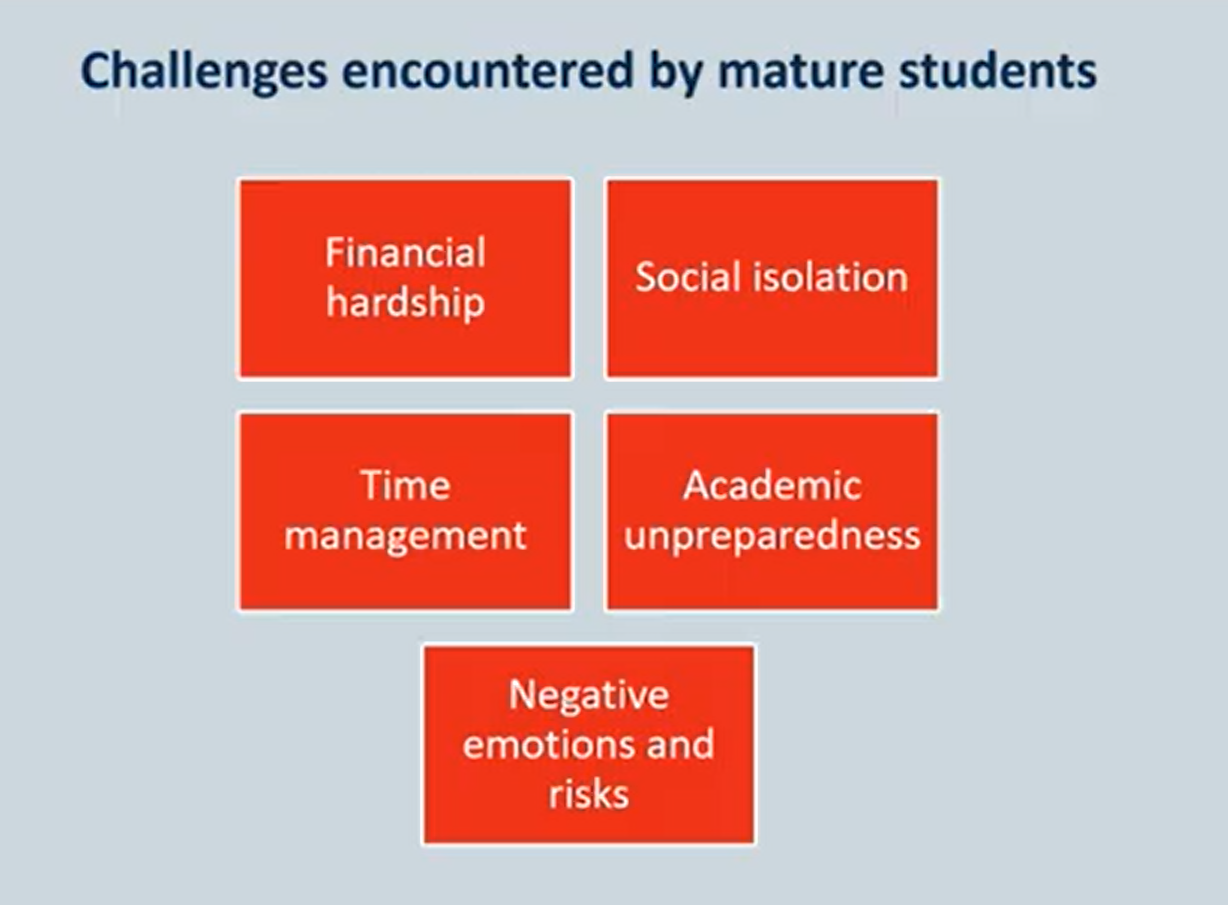
Title: Support for Mature Business and Management Students in Russell Group Universities
Presented by: An Nguyen, Ph.D. Lecturer, King’s Business School, King’s College London
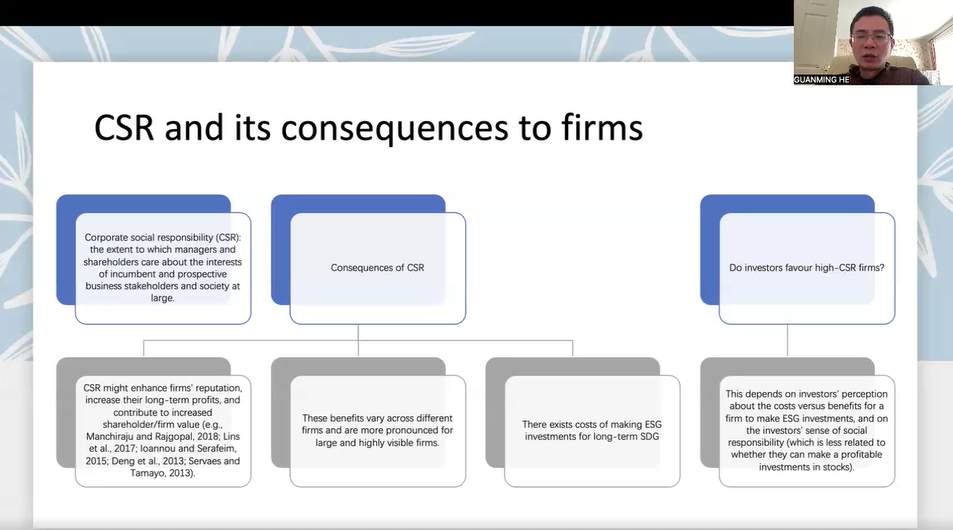
Title: Strategies for Mitigating Corporate Social Irresponsibility (CSI) and Promoting Corporate Social Responsibility (CSR)
Presented by: Guanming He, Ph.D. Associate Professor, Business School, Durham University
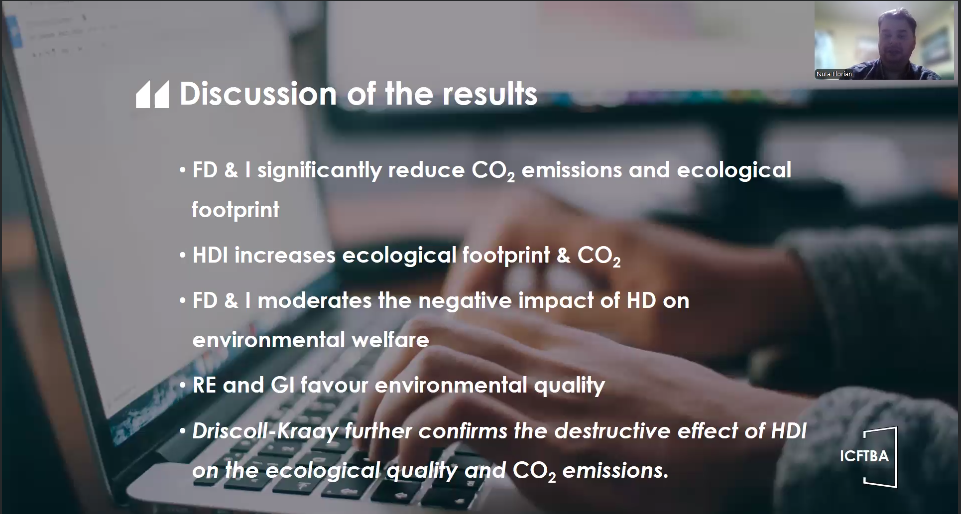
Title: The Financial Framework’s Role in Moderating the Human-centered Development Effects on Environmental Quality
Presented by: Florian Marcel Nuţă, Ph.D. Professor Dr. Habil., Faculty of Economics and Business Administration, Danubius University from Galaţi
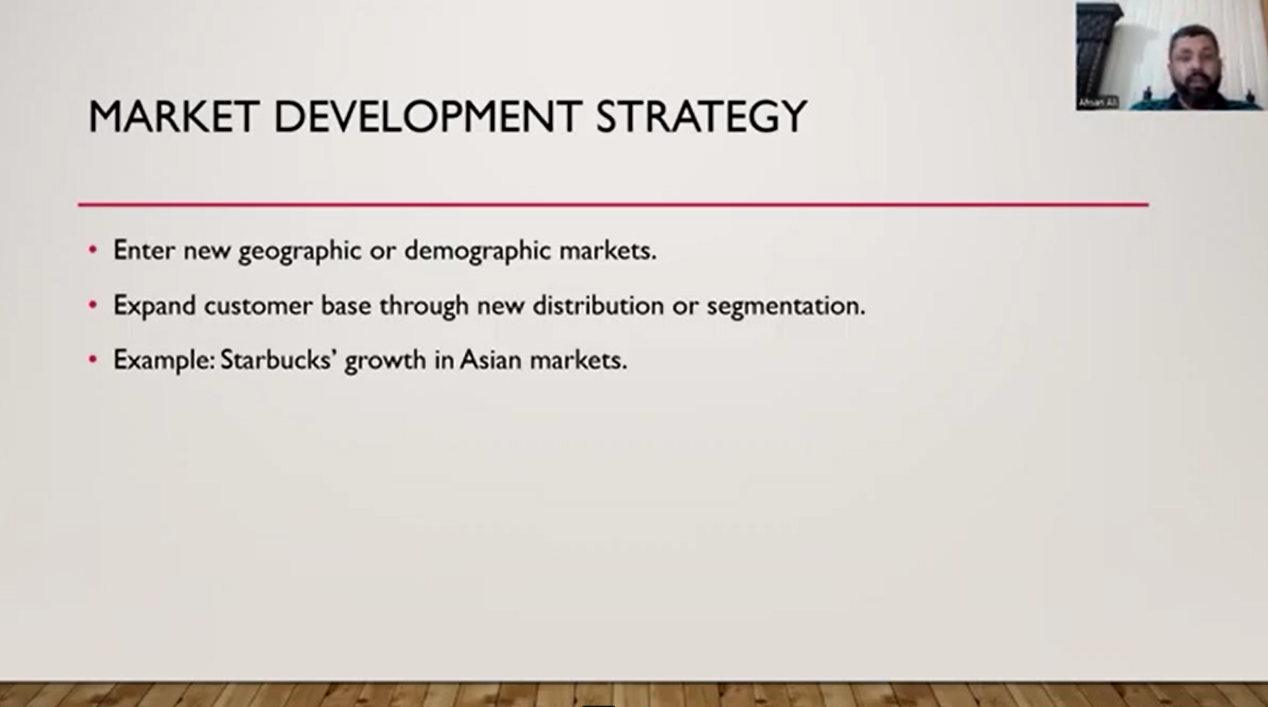
Title: Strategies in Action: Research Informed Strategic Management
Presented by: Ahsan Ali Ashraf, Ph.D. Associate Professor, Lahore Business School, University of Lahore
Videos
You can find the YouTube Playlist of online session Here.
Important Info
Downloads:
Fees:
Registration Fee USD 450
Additional Page USD 40/extra page
Presenting Processing Fee USD 185
Venue:
London, UK
Birmingham, UK
Alba Iulia, Romania